IKEA Commits Nearly $1.4 Billion to Major European Price Cuts Amid Ongoing Cost-of-Living Pressures

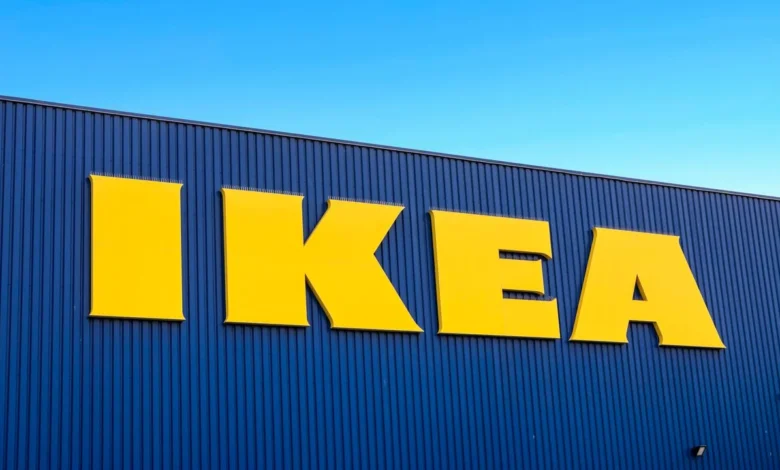
Swedish furniture retail giant IKEA has announced a sweeping financial commitment of nearly $1.4 billion to reduce prices on more than 1,500 products across Europe. This aggressive long-term investment aims to alleviate persistent cost-of-living pressures facing households throughout the continent. Implemented by Ingka Group, the primary retail operator responsible for the majority of IKEA stores globally, the initiative introduces substantial price markdowns ranging from 15% to 25% on a wide array of home furnishing essentials.
The strategic shift highlights a growing corporate recognition that modern consumers require structural relief rather than short-term promotional campaigns. By willingly accepting lower profit margins in exchange for sustained customer volume, IKEA is realigning its core business model to match the socioeconomic realities of a post-inflationary European marketplace. This development also coincides with parallel omnichannel expansions, localized relief funds for emerging markets, and the upcoming launch of second-hand digital marketplaces designed to reinforce the brand’s commitment to affordability and sustainability.
The Scope of the Investment and Regional Breakdown
The nearly $1.4 billion investment represents one of the largest sustained price-cutting initiatives in the history of the Swedish multinational. Rather than executing fleeting seasonal sales, Ingka Group has opted for permanent price adjustments intended to restore household purchasing power. The price reductions are concentrated in key European markets where inflationary pressures have severely impacted consumer confidence and discretionary spending.
In Germany, Europe’s largest economy, IKEA has lowered prices on more than 1,500 products by an average of 20%. Similarly, hundreds of essential household items in the United Kingdom have experienced deep markdowns, reflecting the ongoing struggles of British consumers dealing with high mortgage rates and elevated utility costs. In Italy, consumers are benefiting from an average 22% price reduction across hundreds of product lines, ranging from living room storage solutions to kitchenware and bedroom textiles.
Juvencio Maeztu, CEO of Ingka Group, emphasized that the decision transcends traditional retail discounting. In an official news release, Maeztu stated that the investment is not a short-term marketing campaign, but rather a concerted effort to make IKEA more affordable when people need it most, even if it requires accepting lower corporate margins. This philosophy underpins the retailer’s broader strategy to maintain long-term brand loyalty by prioritizing consumer welfare during an economically turbulent era.
Historical Context and Chronology of IKEA’s Pricing Strategy
To fully understand the weight of this announcement, it is necessary to examine IKEA’s pricing trajectory over recent fiscal periods. The current round of markdowns follows a highly successful pricing campaign executed during IKEA’s 2024 fiscal year. During that period, selective price reductions proved instrumental in driving increased foot traffic and generating a higher volume of online and in-store orders, proving that volume-driven affordability can successfully offset reduced per-item margins.
The chronology of IKEA’s strategic pricing shifts over recent years illustrates a reactive yet proactive approach to global economic instability:
- 2022–2023: Global supply chain disruptions, soaring logistics costs, and the energy crisis resulting from geopolitical conflicts drove raw material and transportation expenses to historic highs, forcing IKEA—like many global retailers—to implement widespread price increases.
- Fiscal Year 2024: As supply chains began to stabilize and wholesale costs retreated, IKEA initiated its first major wave of post-pandemic price cuts, investing hundreds of millions of euros to reverse earlier inflation-driven hikes. This strategy successfully re-engaged cost-conscious shoppers.
- Late 2024 to 2025: IKEA expanded its omnichannel presence by experimenting with smaller-format urban stores, optimizing delivery networks, and integrating advanced payment partnerships—such as its collaboration with Adyen—to streamline the checkout experience across digital and physical touchpoints.
- September 2026: Ingka Group announced its largest affordability push to date, committing nearly $1.4 billion to lower prices across Europe by 15% to 25%, alongside localized funding injections for North America and Asia.
Global Outreach: Addressing Pressures Beyond Europe
While the headline-grabbing price cuts are primarily focused on European markets, Ingka Group has also allocated resources to mitigate inflationary and currency-related pressures in other parts of the world. Recognizing that emerging and developed economies outside of Europe are similarly grappling with macroeconomic volatility, the parent company has earmarked 70 million euros to support pricing stability in Asia and North America.
These targeted funds are designed to absorb sudden currency fluctuations and local inflationary spikes, ensuring that supply chain costs are not immediately passed down to the end consumer. By stabilizing prices globally, IKEA aims to insulate its core demographic of young families, students, and first-time homeowners from the erratic swings of the international macroeconomic climate.
In tandem with these financial adjustments, IKEA continues to evolve its retail ecosystem through circular economy initiatives. Last month, the company announced plans to launch a dedicated online marketplace in the United Kingdom allowing consumers to buy and sell pre-owned IKEA furniture. Company representatives noted that the second-hand digital platform represents a vital step toward creating a centralized destination that simplifies access to pre-owned goods, thereby marrying economic affordability with environmental sustainability.
Broader Retail Trends and Industry Implications
IKEA’s strategic price cuts do not occur in a vacuum; they reflect a broader macroeconomic shift across the global retail sector. For much of 2023 and 2024, persistent inflation forced retailers to protect their profit margins by maintaining elevated prices, often alienating moderate- to low-income shoppers. However, as consumer fatigue sets in and household savings dwindle, retailers are increasingly utilizing alternative financial levers to lower prices and recapture market share.
A parallel example of this trend can be observed in the off-price retail sector. Burlington Stores recently announced plans to lower clothing prices using government refunds obtained from tariff payments. During an earnings call, Burlington CEO Michael O’Sullivan articulated a sentiment shared by many retail executives, noting that moderate- to lower-income families have spent the last few years struggling against relentless increases in essentials such as groceries, rent, and fuel. By channeling tariff refunds directly into price reductions, Burlington—much like IKEA—is attempting to offer consumers a much-needed financial breather.
Market analysts suggest that IKEA’s willingness to compress its operating margins will exert considerable competitive pressure on other European furniture and home goods retailers. Competitors operating on tighter balance sheets may find it difficult to match IKEA’s 15% to 25% price reductions without severely compromising their operational viability. Consequently, the move could trigger a wider price-matching war within the European home furnishings sector, ultimately benefiting consumers who have grown increasingly selective with their discretionary spending.
Fact-Based Analysis of Long-Term Business Impacts
While lowering prices by up to 25% across more than 1,500 products carries inherent short-term financial risks for Ingka Group, the long-term strategic implications are multifaceted.
- Volume-Driven Recovery: Retail economics dictate that lower price points can stimulate exponential growth in unit sales. If historical trends from IKEA’s 2024 fiscal year repeat themselves, the increased volume of transactions will likely compensate for the reduced per-item gross margin.
- Market Share Consolidation: During periods of economic contraction, dominant brands with robust balance sheets can capture market share from smaller, independent competitors who lack the liquidity to absorb margin compression. IKEA’s $1.4 billion injection positions the brand as a champion of consumer affordability, potentially securing long-term customer loyalty that will endure long after current economic pressures subside.
- Omnichannel Synergy: The simultaneous investment in smaller urban stores, enhanced digital payment processing, and the U.K. second-hand marketplace ensures that lower prices are supported by an efficient, highly accessible retail infrastructure. Consumers drawn in by discounted catalog items are funneled into an ecosystem designed to maximize convenience, whether they shop via mobile app, visit a suburban warehouse, or browse city-center showrooms.
Ultimately, IKEA’s aggressive pricing strategy serves as a defining case study in modern retail adaptation. By prioritizing consumer relief over immediate margin maximization, the company is reinforcing its foundational democratic design ethos—proving that good design and home furnishings should remain accessible to the many, even in times of severe economic uncertainty.